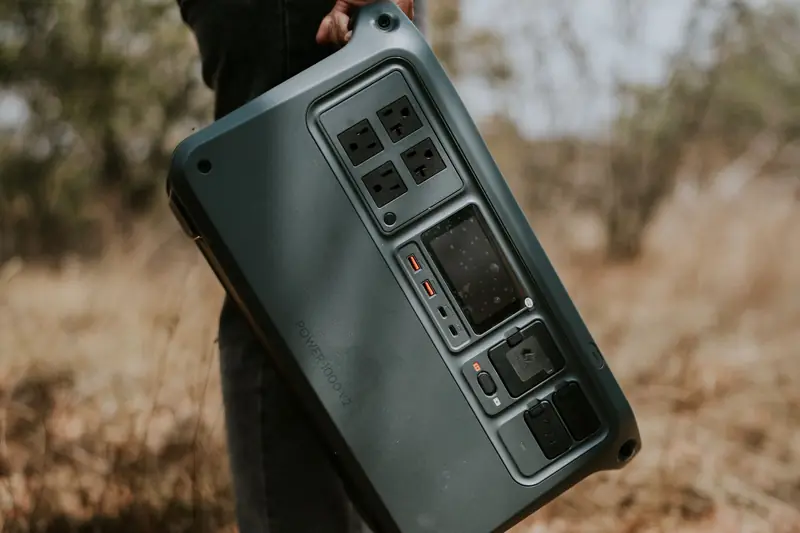
Best Portable Power Stations for Camping
A portable power station runs phones, lights, a fan or a small appliance without burning fuel. The decisions that matter are capacity in watt-hours, continuous output in watts, the outlets you need and whether it takes solar. This page is for car campers who want power at the site.
Jump to section
What we look for
Capacity in watt-hours
capacity sets how long the station can run your devices.
Continuous output
the output in watts decides which devices the station can run at once.
Outlet mix
AC, USB-C PD and 12V outlets decide what plugs in without adapters.
Solar input and recharge time
solar input lets you recharge at camp, but only if the station lists it.
Weight
a large capacity makes a heavy box, so check the weight before you carry it.
Battery chemistry and cycle rating
chemistry affects lifespan and weight, and cycle ratings are maker claims.
- Sources: manufacturer product pages, manuals and warranty terms, plus CDC guidance on carbon monoxide and generators.
How to choose the right portable power station
Start by adding up what you want to run, then check capacity, output and outlets. If you are weighing it against a gas generator, read our carbon monoxide guide first.
Capacity in watt-hours
Capacity in Wh is the energy stored. Add up the devices you want to run and divide the station's usable Wh by their watts for a rough runtime. Expect less than the label says, because of conversion losses. Our lantern guide shows lower-power options. Make a short list of the devices you would run, such as phones, lights and a fan, and note the watts printed on each label before you compare capacities.
Continuous output
Continuous output is the most the station can supply steadily; surge is a short peak for starting motors. Check the listing against the watts on your devices' labels, and leave some margin. If two devices run together, add their watts, and check the surge figure for anything with a motor.
Outlet mix
Look for AC outlets for household plugs, USB-C PD for phones and laptops and a 12V port for car-style accessories. A station with plenty of capacity but the wrong outlets is no use. Count the number of AC outlets against the devices you plan to plug in at once, and check the USB-C PD wattage if you want to charge a laptop.
Solar input and recharge time
Check the maximum solar wattage the maker allows, and whether a solar panel is included or sold separately. Recharge times are maker-stated and depend on sun and panels. If you rarely camp in open sun, a station that recharges from a car or wall outlet before the trip may suit you better than one that depends on a panel.
Weight
Capacity and weight rise together. For car camping the trunk does the lifting, but you still have to move it. Check the Weight column and the handles. Look for handles that are easy to grip, since you will lift it in and out of the car.
Battery chemistry and cycle rating
Different battery chemistries age differently. Maker-stated cycle ratings show how many full charges the maker expects. Treat them as marketing, and compare warranties. Look at the warranty length, which tells you how long the maker stands behind the battery, and read what it excludes.
Tips for using your portable power station
- Add up your devices' watts before you shop, and leave headroom on the continuous output.
- Follow the maker's manual for ventilation, temperature and water exposure, and keep the station dry.
- See our camping checklist for the full light and power list.
- Charge the station fully at home before you leave, and check the maker's manual for how to store it between trips.
- CDC says to run a generator outdoors only, more than 20 feet from windows, doors and vents, and never inside, even with windows open (CDC).
- CDC lists small engines among the sources of carbon monoxide (CDC), which is one reason battery power suits a camp where people sleep in tents.
FAQ
Is a power station safer than a gas generator in camp?
A generator burns fuel, so it makes carbon monoxide; CDC says it belongs outdoors, more than 20 feet from windows, doors and vents, never inside. A battery station burns no fuel at all (CDC).
How long will it run my device?
Divide the station's usable watt-hours by the watts the device draws. Expect a shorter time than the math gives, because the label figure is not the whole story.
Can I charge it with solar?
Only models that list a solar input can. Check the maximum solar wattage the maker allows.
Can I use it in my tent?
The maker's manual is your guide: it covers ventilation, operating temperature and keeping the unit away from water before it goes in a tent.
Sources
Related
-
Buying guide
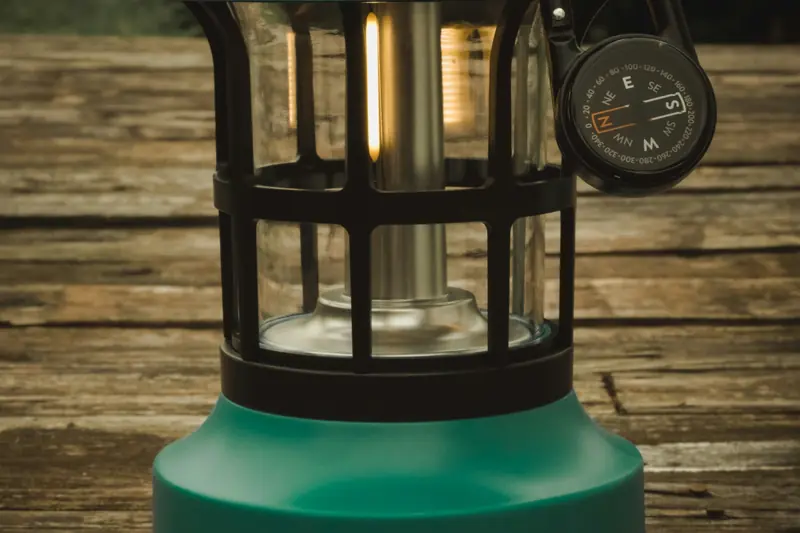
Best Camping Lanterns
Brightness, runtime, power source and water resistance for camping lanterns.
-

Buying guide
Best Headlamps for Camping
Brightness, red light, runtime and water resistance for camping headlamps.
-
Guide
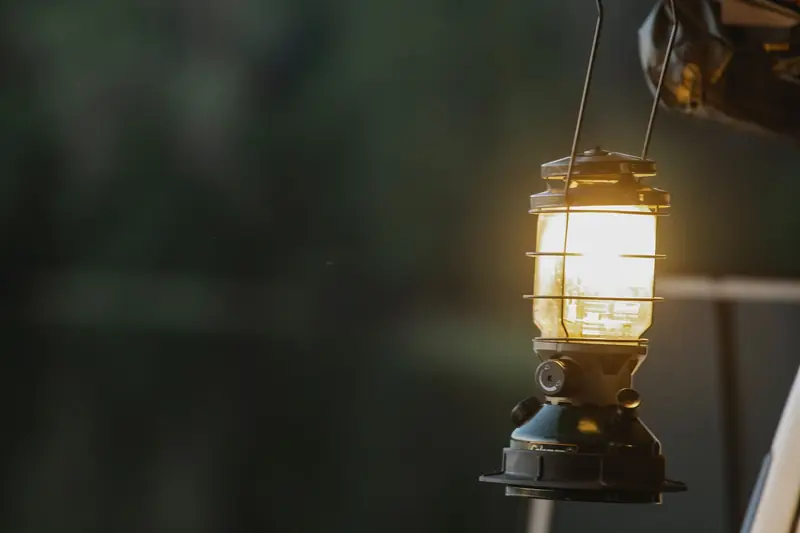
Carbon Monoxide and Camping: Stoves, Heaters and Lanterns
Which camp gear makes carbon monoxide, the symptoms and where each can safely go.
-
Buying guide
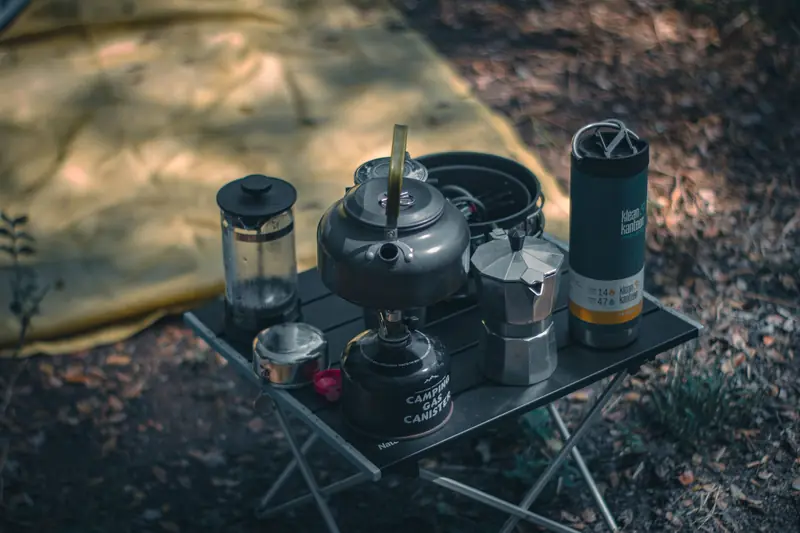
Best Camp Stoves for Car Camping
Burners, output, fuel and ignition for two-burner and single-burner camp stoves.
-
Guide
The Camping Checklist (Built on the NPS Ten Essentials)
The NPS Ten Essentials plus car-camping gear, sorted into a printable list.
-

Buying guide
Best Coolers for Camping
Capacity, insulation, wheels and weight for camping coolers, with food-safety rules.
Get the Weekend Camping Checklist
A printable checklist covering the NPS Ten Essentials, the ratings to check on your sleep gear, safe cooler temperatures and the fire and carbon monoxide rules. No charge, and sized to hang on the fridge.