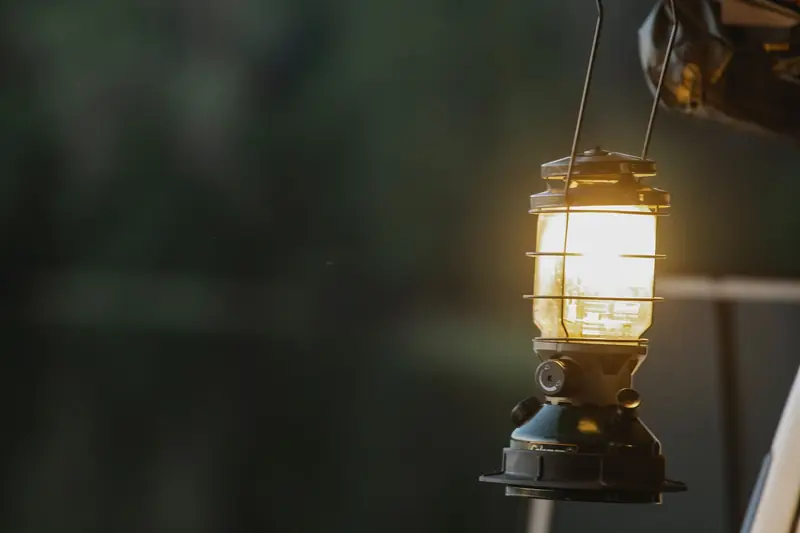
Carbon Monoxide and Camping: Stoves, Heaters and Lanterns
Which camp gear makes carbon monoxide, the symptoms and where each can safely go.
Quick answer
Never use a camp stove, fuel-burning heater or lantern, or charcoal inside a tent, camper or vehicle. CDC says never use a portable gas camp stove indoors, and CPSC says never to use fuel-burning portable heaters or lanterns while sleeping in enclosed areas (CDC; CPSC). Cook outside, and use battery lighting in the tent.
Jump to section
Why tents trap CO
Carbon monoxide, or CO, is a gas you cannot see or smell. It comes from burning fuel, and it becomes dangerous when the gear that makes it is used in a small enclosed space. A tent, a camper or a vehicle is exactly that.
The warning from the government is direct. CPSC says people die every year from CO poisoning linked to portable camping heaters, lanterns and stoves used inside tents, campers and vehicles (CPSC). These are deaths from ordinary camping gear used in the wrong place, not from rare accidents.
The rest of this guide lists which gear makes CO, what the symptoms look like, and where each kind of gear can safely go. The short answer for almost all of it is outside, away from where you sleep.
Which camp gear makes CO
CDC lists small engines, stoves, lanterns and grills among the sources of CO (CDC). If it burns something, it makes CO. For a car camper, that covers:
| Gear | CO source? | Where it goes |
|---|---|---|
| Portable gas camp stove | Yes | Outdoors only, never inside a tent |
| Fuel-burning lantern | Yes | Outside the tent, not while sleeping inside |
| Fuel-burning portable heater | Yes | Not in a tent, camper or vehicle while sleeping |
| Charcoal grill | Yes | Outdoors only |
| Gas generator | Yes | Outdoors, well away from the tent |
| Battery lantern or power station | No fuel burned | Follow the maker's manual |
CDC says "Never use a portable gas camp stove indoors" and "Never burn charcoal indoors" (CDC). For a tent, an enclosed area counts as indoors. Our camp stove buying guide and propane vs butane comparison cover cooking outdoors.
Symptoms that look like the flu
CO poisoning is easy to miss, because it feels like a cold or the flu. CPSC lists the symptoms: headache, dizziness, weakness, nausea, vomiting, sleepiness and confusion. They are easily mistaken for a cold or flu (CPSC).
That matters in a tent for two reasons. First, people who are asleep may never notice the symptoms. Second, a group that all feel sick at once may blame the food or the water instead of the stove or heater.
CDC puts the scale of the problem in numbers. Unintentional non-fire CO poisoning causes more than 400 US deaths, more than 100,000 emergency room visits and more than 14,000 hospitalizations each year (CDC). The figures cover all causes, not only camping, but they show how common this hazard is.
Heaters and lanterns while sleeping
The rule from CPSC is plain: "Never use fuel-burning portable heaters or lanterns while sleeping in enclosed areas such as tents, campers and vehicles" (CPSC).
That includes the time just before sleep, when it is tempting to take the heater in "just to warm the tent". If the heater is on while you are in the tent, you are exposed to the CO it makes.
If you use a kerosene heater anywhere it is allowed, CPSC says to use only water-clear 1-K kerosene, never gasoline (CPSC). Follow the manual for the heater itself.
The better answer is to stay warm without fuel. Choose a bag by its ISO Comfort rating (see our sleeping bag ratings guide), add an insulated pad, and wear dry layers. For light, use a battery or rechargeable lantern. Our camping lantern buying guide compares them by brightness, runtime and water resistance.
Charcoal: never in tents, campers or vehicles
Charcoal gets its own section because campers sometimes bring a grill or a hot pan of coals inside to keep warm. Do not.
CPSC says never to use charcoal to cook or heat inside tents, campers, vans, cars, trucks, homes or garages (CPSC).
CDC agrees: "Never burn charcoal indoors" (CDC). If you grill at the campsite, set the grill up outdoors, in the open and away from the tent. Our campfire safety guide covers the rules for fire pits.
Generators vs battery power stations
A gas generator burns fuel, so it is a CO source. CDC says to run generators outdoors only, more than 20 feet from windows, doors and vents, and never inside, even with windows open (CDC).
A battery power station does not burn fuel, so it does not make CO in the same way. That is a real advantage for running a phone charger, a fan or lights near the tent. Follow the maker's manual for ventilation, temperature and water exposure.
If you want to compare battery options, our portable power station buying guide lists the specs to check: capacity in watt-hours, output in watts, outlets and solar input. Choose capacity for the devices you actually use.
Altitude raises the risk
CPSC says the CO risk is higher at high altitudes (CPSC). The source does not give a number or a mechanism, and we do not guess one. For trips in the mountains, treat every rule in this guide as more important, not less.
Practical steps for any trip, high or low:
- Cook outdoors, and keep stoves and grills away from the tent.
- Use battery lighting inside the tent, and turn off fuel-burning lanterns before you sleep.
- Do not bring heaters or charcoal into a tent, camper or vehicle.
- Run any generator outdoors, more than 20 feet from windows, doors and vents.
- Learn the symptoms, and see a doctor if they appear while you camp.
Add these to your trip planning with our camping checklist.
Gear that helps
-
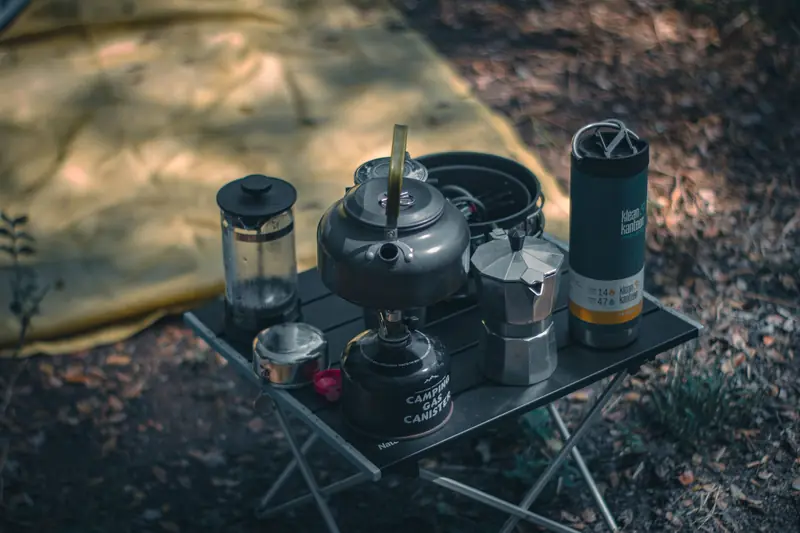
Best Camp Stoves for Car Camping
Choose a stove for cooking outdoors, with wind protection and stable burners.
-
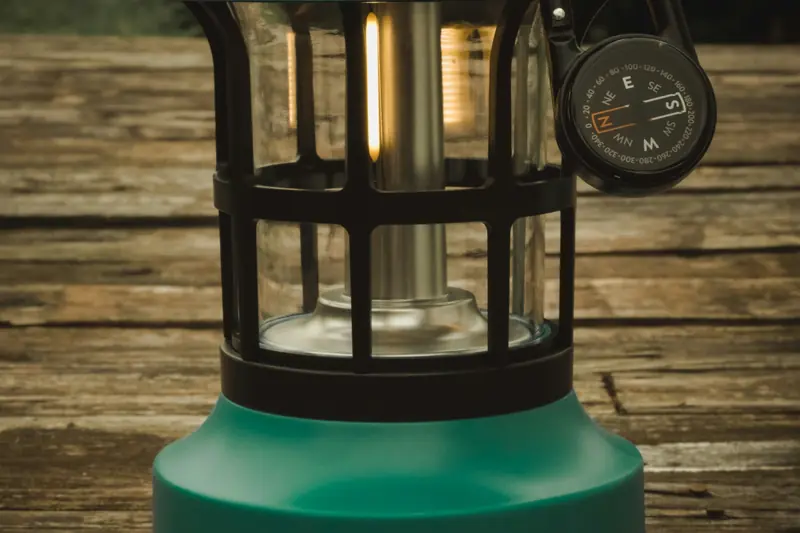
Best Camping Lanterns
Battery and rechargeable lanterns avoid burning fuel near where you sleep.
-
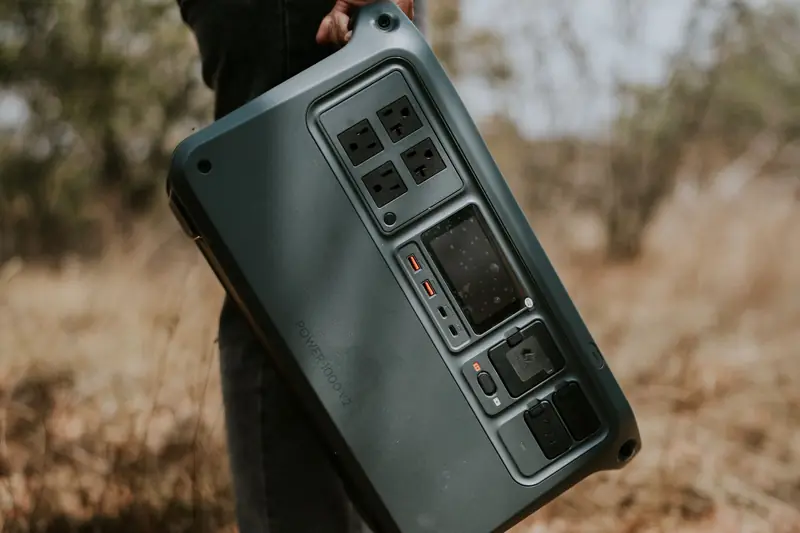
Best Portable Power Stations for Camping
A battery power station does not burn fuel, unlike a gas generator.
FAQ
What are the symptoms of carbon monoxide poisoning?
Watch for headache, dizziness, weakness, nausea, vomiting, sleepiness and confusion. CPSC warns that they are easy to mistake for a cold or flu (CPSC).
How far should a generator be from the tent?
CDC's rule for generators is outdoors only, with more than 20 feet between the generator and any window, door or vent (CDC).
Can I use charcoal in a tent to stay warm?
No. CPSC says charcoal must never be used for cooking or heating inside a tent, camper, van, car, truck, home or garage (CPSC).
Related
-
Buying guide
Best Camp Stoves for Car Camping
Burners, output, fuel and ignition for two-burner and single-burner camp stoves.
-
Buying guide
Best Camping Lanterns
Brightness, runtime, power source and water resistance for camping lanterns.
-
Buying guide
Best Portable Power Stations for Camping
Capacity, output, outlets and solar input for portable camping power stations.
-
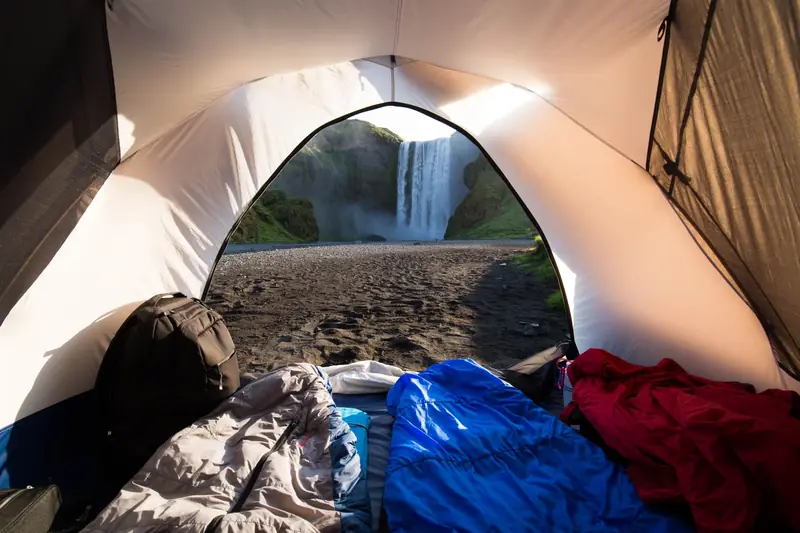
Buying guide
Best Sleeping Bags for Camping
ISO Comfort and Limit ratings, fill, shape and zippers for camping sleeping bags.
-
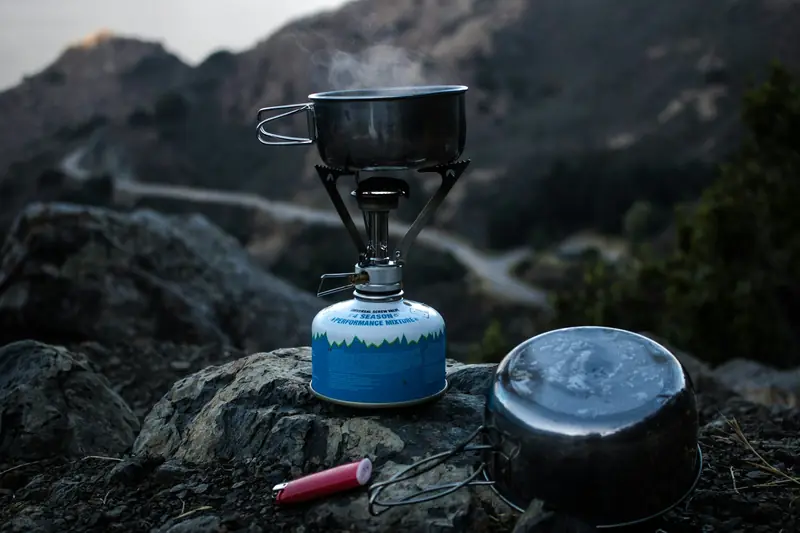
Comparison
Propane vs Butane Camp Stoves: Which Fuel to Choose
Canisters, cold weather, cost per cook, designs and safety, side by side.
-
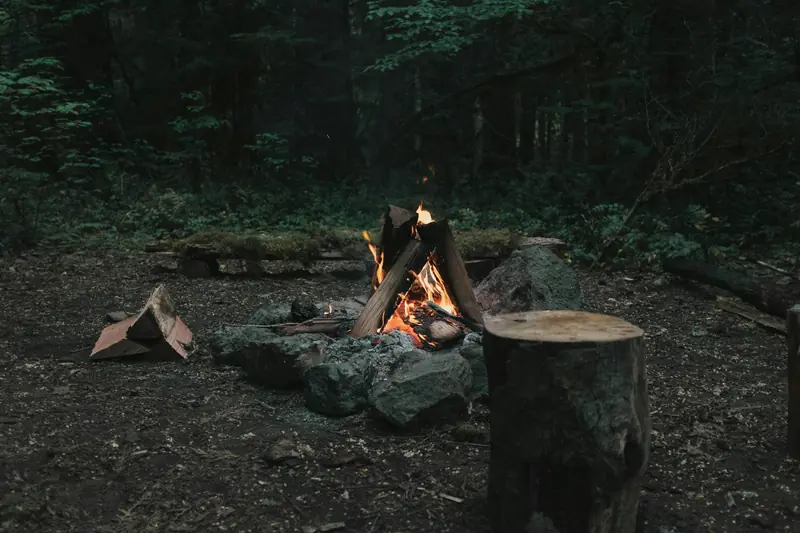
Guide
Campfire Safety: Build, Tend and Fully Put Out Your Fire
Distances, pit basics and the Drown, Stir, Drown, Feel method.

Get the Weekend Camping Checklist
A printable checklist covering the NPS Ten Essentials, the ratings to check on your sleep gear, safe cooler temperatures and the fire and carbon monoxide rules. No charge, and sized to hang on the fridge.