
Propane vs Butane Camp Stoves: Which Fuel to Choose
Most car-camping stoves run on propane, and many compact stoves run on butane or butane blends. The fuel decides which canisters you buy, how the stove behaves in cold weather and what designs are available. This comparison covers each point, and the one safety rule that applies to both.
Propane stove: the better choice if…
- You want a two-burner stove for a family.
- You camp in a wide range of weather.
- You want canisters that are easy to find in many places.
Butane stove: the better choice if…
- You want a compact stove for short trips.
- You mostly camp in mild weather.
- You want a simple one-burner setup.
Jump to section
At a glance
| Point | Propane stove | Butane stove |
|---|---|---|
| Canister type and availability | Common, widely sold | Compact canisters, fewer places |
| Cold-weather performance | Check maker specs | Check maker specs |
| Cost per cook | Compare listings | Compare listings |
| Stove designs available | Two-burner, griddle, single | Mostly compact single burner |
| Storage and transport | Larger cylinders or canisters | Smaller canisters |
| Carbon monoxide safety | Outdoors only | Outdoors only |
Canister type and availability
Propane comes in refillable cylinders and disposable canisters sold at many outdoor and general stores. Butane canisters are smaller and suit compact stoves, but may be harder to find in some places. Before a trip, check which canisters your stove uses and where you can buy replacements near the campsite.
Cold-weather performance
We do not give a number here because performance depends on the stove and the fuel blend. Read the maker's stated cold-weather specs and the manual for each stove, and treat maker claims as claims. If you camp when it is cold, choose a stove that lists the temperatures it is designed for.
Cost per cook
Prices change and vary by store, so compare the current listings for canisters and think about how long each lasts. A bigger cylinder costs more at the till but may last for many meals. We do not publish a figure because we do not type prices by hand.
Stove designs available
Propane suits two-burner suitcase stoves and models with griddles, which cook for families and groups. Butane stoves are mostly compact single burners that suit one pot or a short trip. See our camp stove buying guide for the specs to compare.
Storage and transport
Larger propane cylinders take more trunk space but need fewer swaps. Butane canisters are small and easy to pack. In either case, follow the stove and canister manuals for storage and transport, and keep fuel away from heat and out of the passenger area.
Carbon monoxide safety
Both fuels make carbon monoxide when they burn. CDC lists stoves among carbon monoxide sources and says never to use a portable gas camp stove indoors (CDC), and CPSC warns against fuel-burning stoves, heaters and lanterns in tents and campers (CPSC). Cook outdoors, away from the tent.
Which should you buy?
For a family or a group, a two-burner propane camp stove is the usual starting point. For a quick solo or two-person trip in mild weather, a compact butane stove can be enough. Read the carbon monoxide guide before either.
Alternatives
If you also need to keep food safe, see our camping coolers and camping food safety guide.
FAQ
Can I use a camp stove in my tent?
No. CDC's advice is that a portable gas camp stove must never be used indoors, and a closed tent counts (CDC).
Which fuel is better in cold weather?
Check each stove's maker-stated cold-weather specs. We do not rank fuels by temperature.
How common is carbon monoxide poisoning?
CDC puts the toll at more than 400 US deaths a year from carbon monoxide poisoning that is unintentional and not caused by fire (CDC).
Related
-
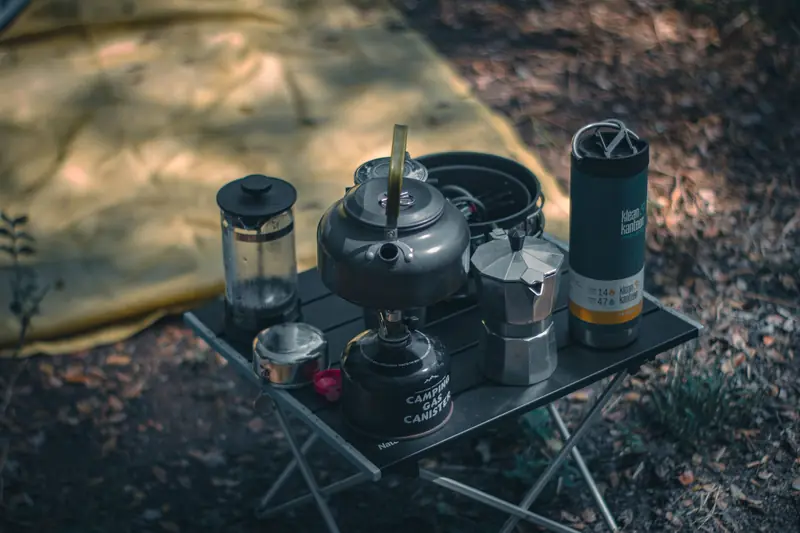
Buying guide
Best Camp Stoves for Car Camping
Burners, output, fuel and ignition for two-burner and single-burner camp stoves.
-
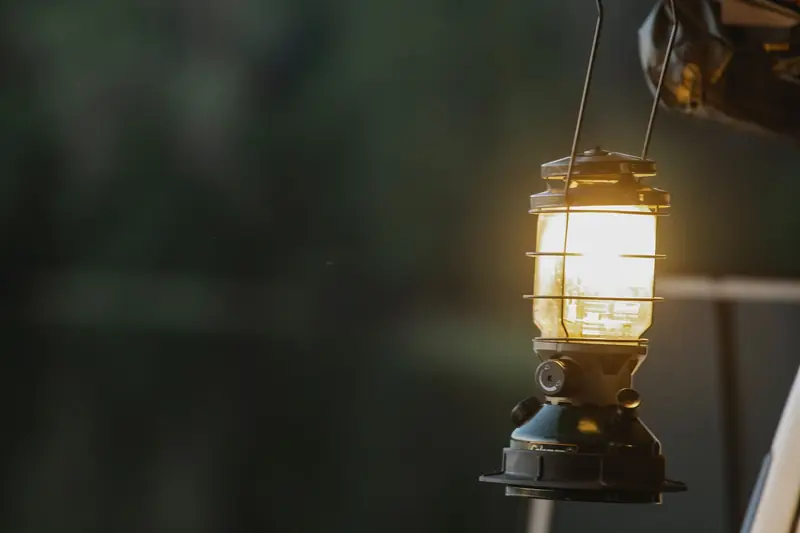
Guide
Carbon Monoxide and Camping: Stoves, Heaters and Lanterns
Which camp gear makes carbon monoxide, the symptoms and where each can safely go.
-
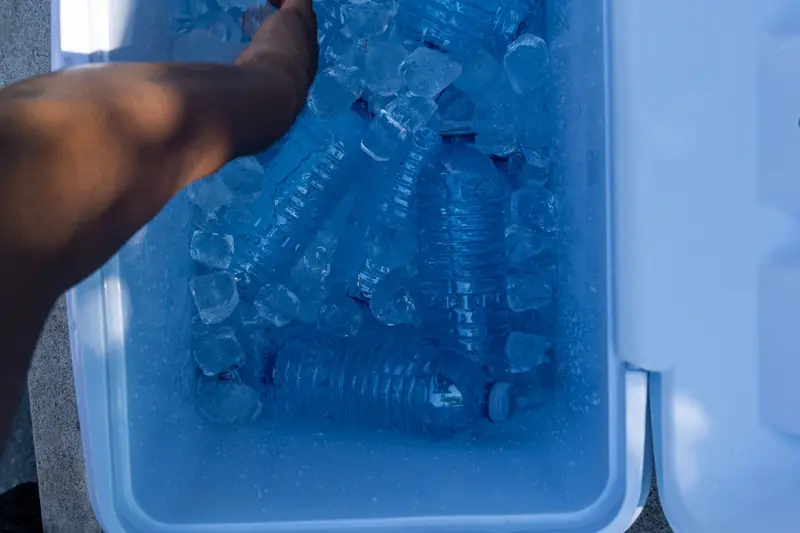
Buying guide
Best Coolers for Camping
Capacity, insulation, wheels and weight for camping coolers, with food-safety rules.
-
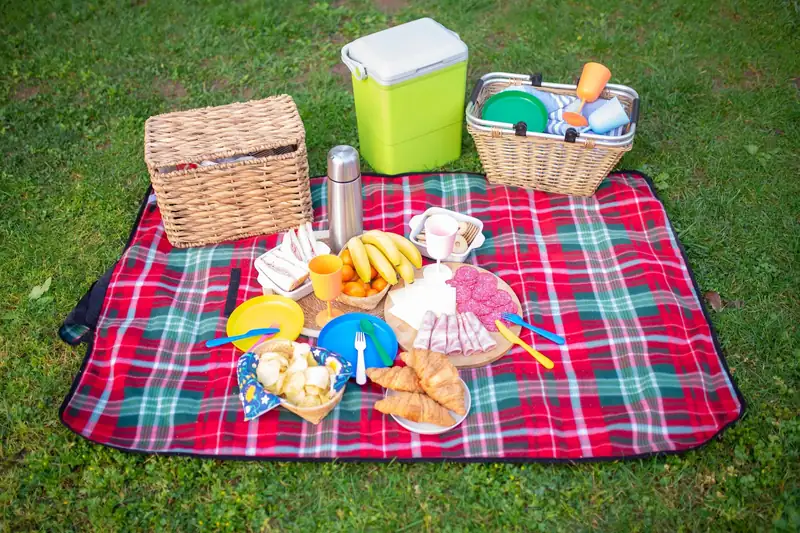
Guide
Camping Food Safety: How to Pack a Cooler and Keep Food Cold
The 40°F rule, cooler packing, the 2-hour limit and safe camp cooking temperatures.
-
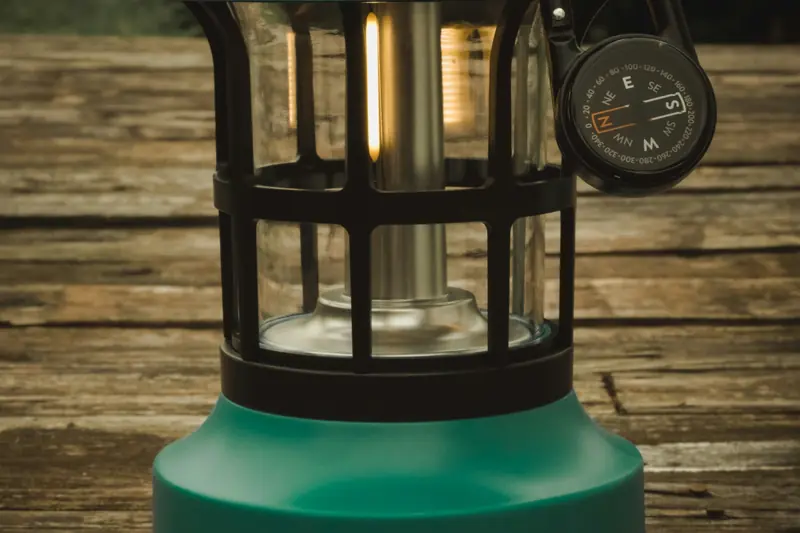
Buying guide
Best Camping Lanterns
Brightness, runtime, power source and water resistance for camping lanterns.

Get the Weekend Camping Checklist
A printable checklist covering the NPS Ten Essentials, the ratings to check on your sleep gear, safe cooler temperatures and the fire and carbon monoxide rules. No charge, and sized to hang on the fridge.