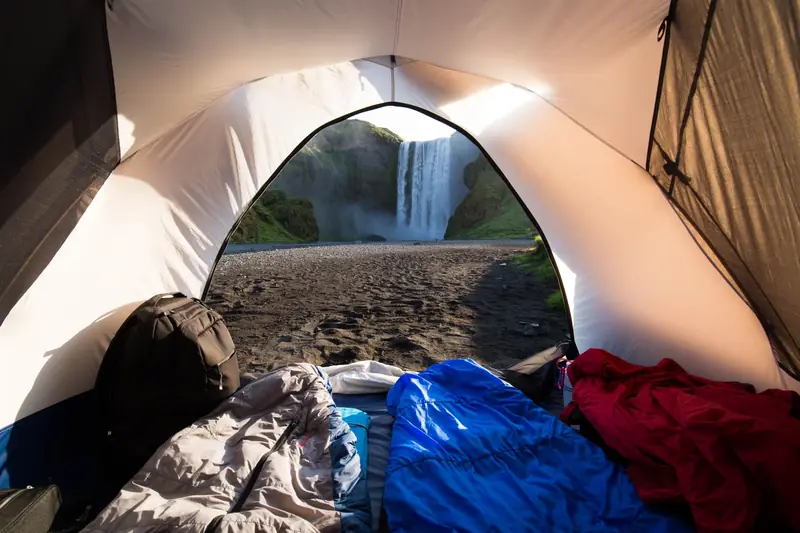
Best Sleeping Bags for Camping
A sleeping bag is only as warm as its rating is honest, so reading the label is the most useful skill you can learn. This page compares bags on the specs that decide a night's sleep: the temperature rating and its standard, the fill, the shape and the zipper. It is for car campers who want a bag that suits the season they actually camp in. Ratings come from a standard test, not from a night on the ground, which is why the pad and your clothing matter as much as the label.
Jump to section
What we look for
Temperature rating
the ISO or EN rating is the only comparable number, and Comfort is the one to use.
Shape
the cut decides how much room you have and how much air you must warm.
Fill: synthetic or down
fill affects warmth when damp, packed size, weight and price.
Packed size and weight
less critical for car camping, but they decide where the bag lives in the trunk.
Zipper
a full-length, two-way zipper lets you vent the bag or join two bags.
Washability
a bag you can wash lasts longer than one you can only spot-clean.
- Sources: manufacturer product pages, manuals and warranty terms, plus ISO 23537-1 and Therm-a-Rest on how the ratings work.
How to choose the right sleeping bag
Start with the temperature rating and its standard, then the shape. Our temperature ratings guide goes deeper, and the right sleeping pad changes how a bag performs.
Temperature rating
Look for a bag that lists ISO or EN Comfort and Limit numbers rather than a single "rated to" figure. Comfort is the useful one for most sleepers; the Extreme rating is for emergencies only. Our guide to sleeping bag temperature ratings explains each term and how the test works. Therm-a-Rest notes that real nights vary with body type, food, hydration, clothing, wind, moisture and pad warmth (Therm-a-Rest), so treat the Comfort number as a starting point.
Shape
Rectangular bags give room to move and often unzip flat to use as a quilt. Mummy bags hug the body and keep more heat in. Double bags suit couples but are bulky. Choose on how you sleep and how cold the nights get. If you move around a lot at night, lean toward a roomier cut; if you run cold, a snug fit leaves less air to warm.
Fill: synthetic or down
Synthetic fill is the usual car-camping choice because it is easier to wash and handles damp better. Down packs smaller and lighter for its warmth but needs more care. Check the listing for the fill type and how it is treated, and remember car camping rarely needs the smallest pack.
Packed size and weight
A bag with a stuff sack that fits a bin or shelf is easier to store. Compare the packed size and weight columns, and remember that a warmer bag is almost always bigger. Store it as the care label directs.
Zipper
Full-length zippers let you open the bag flat or ventilate your feet. If you want to zip two bags together, the listing should say the zippers are compatible and on which side. Look for an anti-snag strip to prevent the zipper catching on fabric.
Washability
Camp bags get dirty. Check the care label or manual for machine-wash instructions and drying advice, since the fill and shell decide how the bag should be cleaned. Always follow the maker's directions.
Tips for using your sleeping bag
- Choose by the Comfort rating, not the Extreme rating, which the standard reserves for emergencies (Therm-a-Rest).
- Pair the bag with a pad that has a published R-value. Our R-value guide shows how.
- If you sleep on a cot, read our cot buying guide and add insulation under you.
- ISO 23537-1:2022 covers adult bags with limit temperatures of -20°C and higher and excludes children's bags (ISO).
- Therm-a-Rest describes the test as a heated, sensor-covered manikin in a base layer lying on a basic foam mat in a cold chamber, so a warmer pad changes the result (Therm-a-Rest).
FAQ
What do Comfort, Limit and Extreme mean?
The Comfort range keeps a standard woman from getting cold in a relaxed posture. The Limit range is where a standard man, curled up, stays out of shivering. Extreme is a hypothermia-risk zone, meant for emergencies only (Therm-a-Rest).
How are sleeping bag ratings tested?
A heated manikin fitted with sensors and a base layer lies in the bag, on a basic foam mat, inside a cold chamber (Therm-a-Rest).
Which standard applies now?
ISO 23537-1:2022. It covers adult bags with limit temperatures of -20°C and higher, and leaves out children's bags (ISO).
Does my sleeping pad matter?
Yes. The test assumes a basic foam mat, so a warmer pad changes how the bag performs (Therm-a-Rest).
Related
-
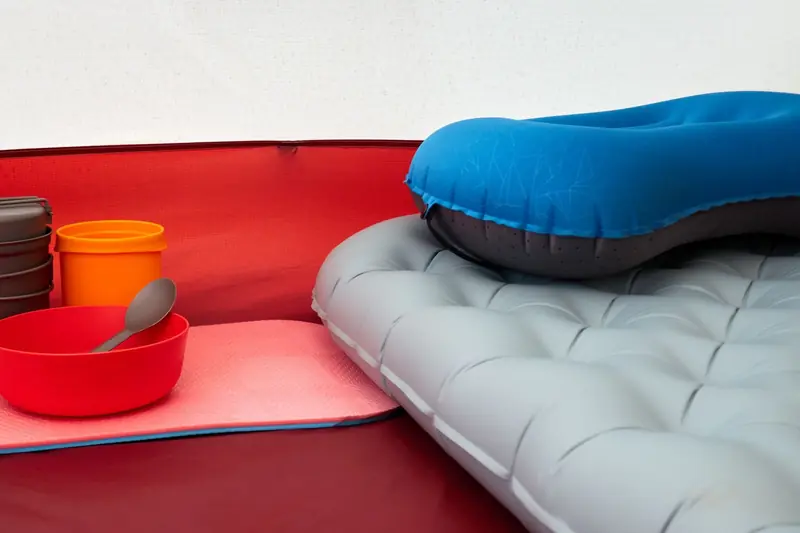
Buying guide
Best Sleeping Pads for Camping
ASTM R-value, thickness, type and size for foam, self-inflating and air pads.
-
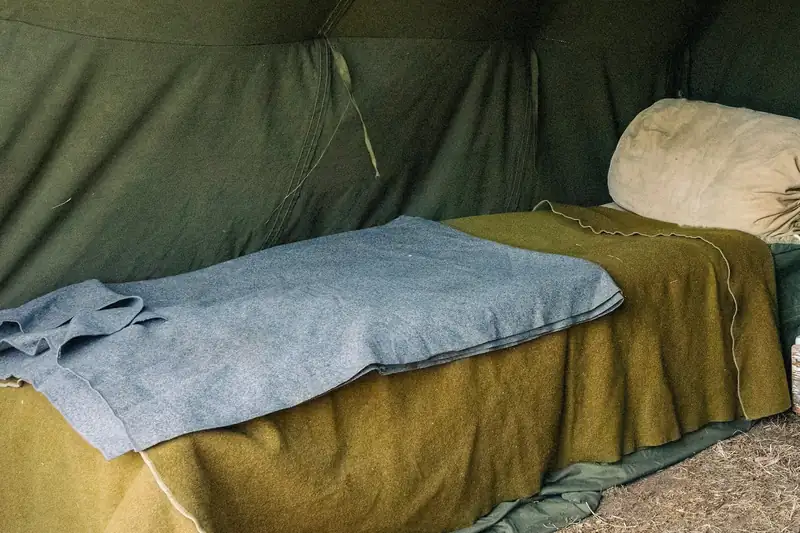
Buying guide
Best Camping Cots
Weight rating, sleeping surface, height and tent fit for camping cots.
-

Guide
Sleeping Bag Temperature Ratings, Explained (ISO 23537)
Comfort, Limit and Extreme in plain English, and how the test works.
-
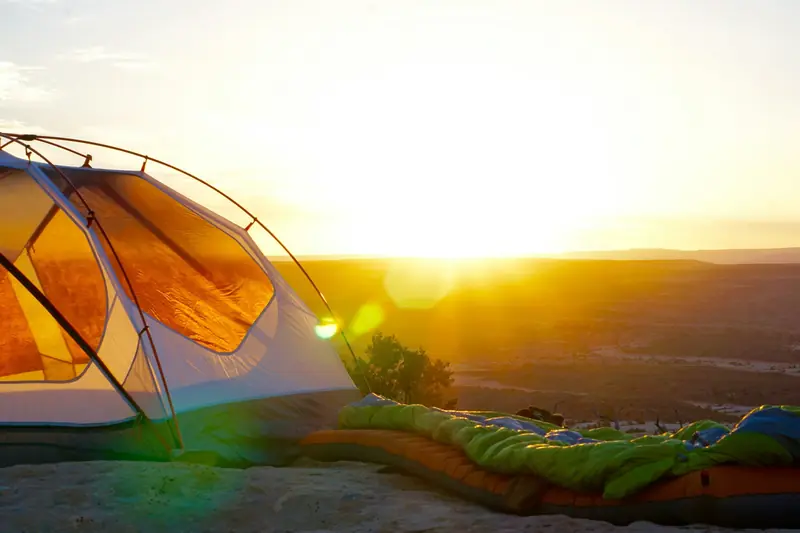
Guide
Sleeping Pad R-Value, Explained (ASTM F3340)
What R-value is, why ASTM F3340 matters and how to compare pads.
-
Comparison
Air Mattress vs Sleeping Pad for Camping
Insulation, comfort, size, pumps and cold-night performance, side by side.
-
Buying guide
Best Family Camping Tents
Floor area, standing height, rain cover and setup for family and cabin tents.


Get the Weekend Camping Checklist
A printable checklist covering the NPS Ten Essentials, the ratings to check on your sleep gear, safe cooler temperatures and the fire and carbon monoxide rules. No charge, and sized to hang on the fridge.