
Sleeping Bag Temperature Ratings, Explained (ISO 23537)
Comfort, Limit and Extreme in plain English, and how the test works.
Quick answer
Pick a sleeping bag by its Comfort rating, not its Extreme rating. Comfort is the range where a standard woman is not cold in a relaxed posture, and Extreme is an emergency-only range with a risk of hypothermia. Current ratings follow ISO 23537-1:2022, which covers adult bags and excludes children's bags.
Jump to section
Where the ratings come from (EN 13537 to ISO 23537)
The temperature numbers on a sleeping bag come from a lab standard, not from a camper's guess. The current one is ISO 23537-1:2022, published in March 2022 as Edition 2. Its full title is "Requirements for sleeping bags, Part 1: Thermal, mass and dimensional requirements for sleeping bags designed for limit temperatures of -20°C and higher."
The standard covers adult sports and leisure bags. It excludes military and extreme-expedition bags, and it excludes children's and baby bags (ISO). That last point matters if you are shopping for kids: a children's bag with a temperature number on it is not covered by this standard, so read what the maker says about how the number was found.
Before ISO, the European standard EN 13537 was the reference. Therm-a-Rest says EN 13537 was introduced in 2005, and that an updated ISO protocol introduced in April 2017 is now the testing protocol for certified bags (Therm-a-Rest, a maker's explanation). If a listing says "EN rated", it is pointing to the older name for the same family of tests.
Comfort, Limit and Extreme in plain English
A certified bag carries up to three numbers. Each answers a different question, and they are measured for different sleepers. Here is the short version, using the maker's plain-language definitions from Therm-a-Rest.
| Rating | What it means | How to use it |
|---|---|---|
| Comfort | The range where a "standard" woman is not cold in a relaxed posture. | The number to plan around for a normal night. |
| Limit | The range where a "standard" man, curled up, is in thermal equilibrium and not shivering. | A stretch figure for sleepers who run warm and accept a tight curl. |
| Extreme | A strong-cold range with a risk of hypothermia. | Never a planning number. |
Comfort is the number most car campers should use. It describes a relaxed sleeper, which is how most of us want to sleep. Limit assumes you are curled up, which is not how you sleep when you want a good night.
How the manikin test works
The test does not use people. It uses a heated manikin covered in sensors, dressed in a set base layer. The manikin lies in the bag on a basic foam mat inside a cold chamber (Therm-a-Rest). The Comfort, Limit and Extreme numbers come from that controlled setup, so they do not depend on who happens to be sleeping in the bag.
Using a manikin instead of volunteers keeps the test repeatable. Nobody gets cold in a lab, and each bag meets the same conditions.
That setup has a useful consequence: every bag tested to the standard is measured the same way. A Comfort number from one maker can be compared with a Comfort number from another, as long as both were certified. That is the reason to prefer a bag with a standard rating over one that only says "rated to" some temperature.
What the test assumes (pad, base layer)
Every test needs a baseline, and this one has two parts you control on a real trip: what is under you and what you wear.
The mat in the lab is a basic foam mat. The manikin wears a set base layer. If your pad is warmer than a basic foam mat, your night can be warmer than the rating suggests. If your pad is colder, it can be colder. Therm-a-Rest notes that a warmer pad changes the result (Therm-a-Rest).
This is why we treat the bag and the pad as one system. Our sleeping pad buying guide and our R-value guide explain the second half of the pair.
Why your night may differ
Even a well-certified bag cannot promise a result. Therm-a-Rest lists the things that change a real night: body type, food, hydration, clothing, wind, moisture and pad warmth (Therm-a-Rest). A tired, underfed camper in damp clothes will feel colder than the manikin.
You cannot control the weather, but you can control most of the rest. Here is a short checklist to run through before a cold night:
- Eat a proper meal and drink water before bed.
- Change out of damp clothes into dry ones.
- Check that your pad is at least as warm as the one the bag expects.
- Close the bag's draft collar and hood if it has them.
- Pitch the tent out of the wind where you can.
None of these is a substitute for choosing the right bag, but together they can matter as much as a few degrees on the label.
Picking a rating for your trips
Think about your trips in seasons, not in single nights. A bag for summer weekends at a drive-in campground does not need the same rating as a bag for a fall trip when the nights turn cold.
Start with the coldest night you realistically expect, then choose a bag whose Comfort rating is at or below it. Using Comfort rather than Limit gives you a margin for the nights when you are tired, hungry or damp. If you are not sure how cold a trip will get, choose a warmer bag. You can unzip a warm bag, but you cannot add warmth to a thin one.
Shape matters too. A rectangular bag gives room to move and can often unzip flat, while a mummy bag holds more heat. Our sleeping bag buying guide compares shapes, fills and zippers, and our guide to the best camping cots covers an important catch: air circulates under a cot, so a cot needs insulation under you.
For kids, remember the ISO standard does not cover children's bags (ISO). Read the maker's instructions and keep a spare layer on hand.
Bags without ISO ratings
Plenty of bags carry no ISO or EN number. They may use a "rated to" figure or a season label such as "3-season" with no test behind it. That does not make them bad, but you cannot compare them with certified bags. Treat the figure as a guess.
When you shop for a bag without a rating, do three things. First, read the maker's description of how the number was found. Second, look at the shell, fill type and shape for clues about warmth, and use the bag only in weather you know it can handle. Third, plan to add a liner or an extra layer rather than depend on the label.
For tents, pads and the rest of your sleep system, our camping checklist pulls the pieces together.
Gear that helps
-
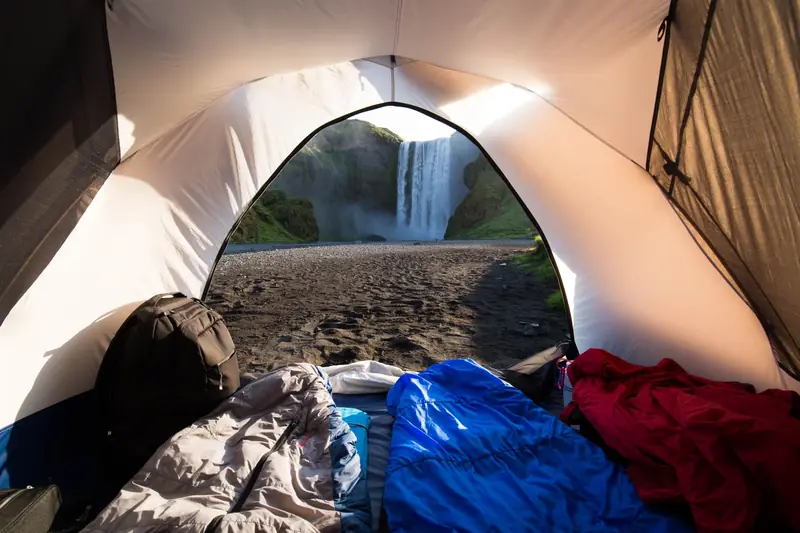
Best Sleeping Bags for Camping
Compare bags by ISO Comfort and Limit ratings, fill, shape and zipper.
-
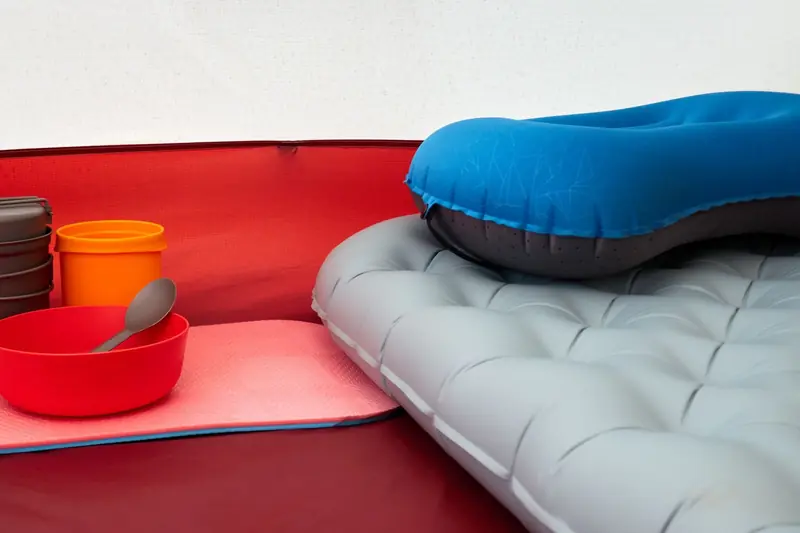
Best Sleeping Pads for Camping
The pad under you changes how warm a bag feels, so match it to the season.
-
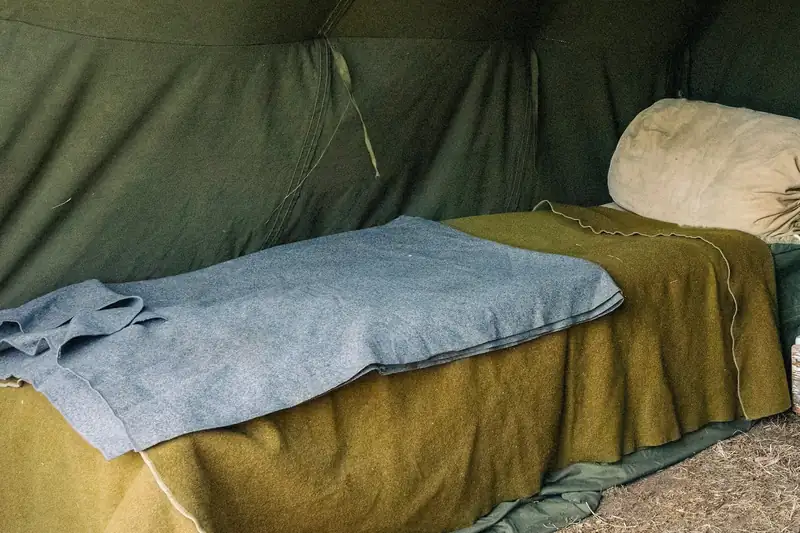
Best Camping Cots
Cots lift you off the ground, so plan insulation under you as well as around you.

FAQ
Which standard do sleeping bag ratings use now?
Current ratings follow ISO 23537-1:2022, which applies to adult bags with limit temperatures of -20°C and higher (ISO).
Does the ISO standard cover kids' sleeping bags?
No. Children's and baby bags are outside its scope (ISO).
Why can the same bag feel different on different nights?
Your body type, what you ate, how hydrated you are, your clothing, wind, moisture and the warmth of your pad all change the result (Therm-a-Rest).
Related
-
Buying guide
Best Sleeping Bags for Camping
ISO Comfort and Limit ratings, fill, shape and zippers for camping sleeping bags.
-
Buying guide
Best Sleeping Pads for Camping
ASTM R-value, thickness, type and size for foam, self-inflating and air pads.
-
Buying guide
Best Camping Cots
Weight rating, sleeping surface, height and tent fit for camping cots.
-
Guide
Sleeping Pad R-Value, Explained (ASTM F3340)
What R-value is, why ASTM F3340 matters and how to compare pads.
-
Comparison
Air Mattress vs Sleeping Pad for Camping
Insulation, comfort, size, pumps and cold-night performance, side by side.
-
Guide
The Camping Checklist (Built on the NPS Ten Essentials)
The NPS Ten Essentials plus car-camping gear, sorted into a printable list.
Get the Weekend Camping Checklist
A printable checklist covering the NPS Ten Essentials, the ratings to check on your sleep gear, safe cooler temperatures and the fire and carbon monoxide rules. No charge, and sized to hang on the fridge.