
Best Family Camping Tents
A family tent is where everyone sleeps, changes clothes and waits out the rain, so size and weather protection matter more than weight. The decisions that count are real floor area, standing room, rainfly coverage and how long setup takes. This page is for car campers who pitch at drive-in campgrounds.
Jump to section
What we look for
Real floor area
the maker's person rating assumes a tight fit, so floor area tells you more.
Peak height
standing room makes changing clothes and moving around much easier.
Rain protection
a full rainfly, sealed seams and a stated waterproof rating keep the inside dry.
Setup time and pole design
simple poles and clear color-coding mean you are cooking before dark.
Ventilation
mesh panels and vents cut condensation and keep the tent cooler on warm nights.
Doors, vestibules and storage
a second door and a vestibule keep wet boots and gear out of the sleeping area.
- Sources: manufacturer product pages, manuals and warranty terms, plus CPSC and Smokey Bear guidance on tents and campfires.
How to choose the right family tent
Work through these six points in order. If you are torn between a pop-up style and a pole tent, read instant tent vs dome tent, and use our camping checklist to plan what goes inside.
Real floor area
Maker "person" ratings usually describe sleepers lying shoulder to shoulder with no gear. Compare the floor area column instead, and picture your air beds or cots on it. If you bring kids, bags or a dog, size up by one person. Check the shape too: a rectangle uses space better than a tapered dome. Cots and air beds take more floor than sleeping bags alone, so lay out your real bedding on paper before you choose.
Peak height
Peak height is measured at the highest point, usually the center. Cabin-style tents have straighter walls, so more of the floor has real headroom. If you are tall, check that the height holds near the walls, not only in the middle. Look at the spec column before you read the marketing copy. Check the wall height at the sides if you plan to change clothes or stand a cot near the wall.
Rain protection
Look for a rainfly that covers the whole tent, not just the roof, and for seams the maker says are sealed. Where a waterproof rating is listed, treat it as maker-stated and compare it only with other tents that list one. If the listing gives no rating, a dash in our table means exactly that.
Setup time and pole design
Pre-attached poles and clips go up faster than sleeves you thread. A large tent still takes two people, so check how many the maker suggests. If you pitch often for one-night trips, our instant tent vs dome tent comparison shows what you give up for speed.
Ventilation
Look for mesh windows or roof panels that you can open from inside, plus vents that stay open in the rain. Good airflow reduces the damp feeling on cool mornings. Remember that ventilation is not a reason to bring fuel-burning gear inside: see our carbon monoxide guide.
Doors, vestibules and storage
Two doors let people get out without climbing over each other. A vestibule or covered porch gives you a dry place for shoes and bags. Interior pockets and a gear loft keep small items off the floor. Check the Doors column and read the listing for porch details.
Tips for using your family tent
- Pitch the tent before your first trip, at home, so you know the pole layout and can check the seams.
- Keep the campfire well away from the tent: Smokey Bear says at least 15 feet from tents, vegetation and low branches (Smokey Bear). Our campfire safety guide covers the rest.
- Pair the tent with a sleeping pad and a sleeping bag that suit the season before you add extras.
- Leave No Trace advises camping on durable surfaces and at least 200 feet from lakes and streams (NPS).
- Never run a fuel-burning heater or lantern inside; CPSC warns against them in tents (CPSC).
FAQ
Can I run a heater inside my tent?
No. Fuel-burning portable heaters and lanterns must never run while people sleep in an enclosed space such as a tent, CPSC says (CPSC).
How far should the campfire be from the tent?
Keep the fire at least 15 feet from tents, vegetation and low-hanging branches, Smokey Bear advises (Smokey Bear).
Where should I pitch?
Camp on durable surfaces and stay at least 200 feet from lakes and streams, which Leave No Trace recommends to protect streamside areas (NPS).
What size tent should I buy?
Treat the maker's person count as a tight fit. Compare floor area and peak height, and add one person to the count if you pack gear or bring kids. This is common-sense advice, not a measured result.
Related
-
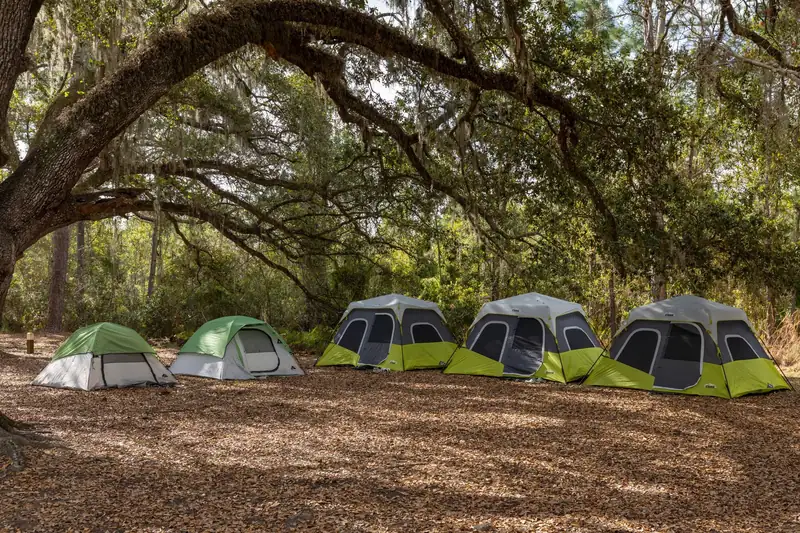
Buying guide
Best Instant and Pop-Up Tents
Setup time, frame, rainfly and packed size for instant and pop-up tents.
-
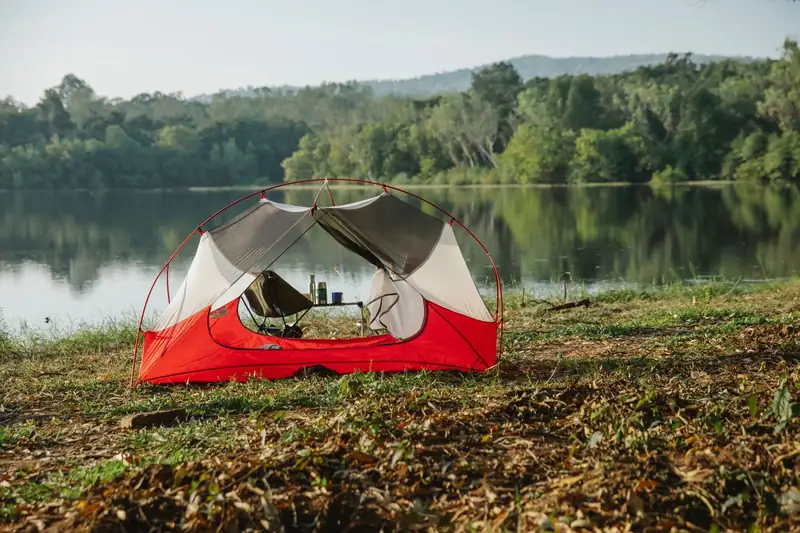
Comparison
Instant Tent vs Dome Tent: Which Suits Your Trips?
Setup, weather handling, packed size and best use for pop-up and pole tents.
-
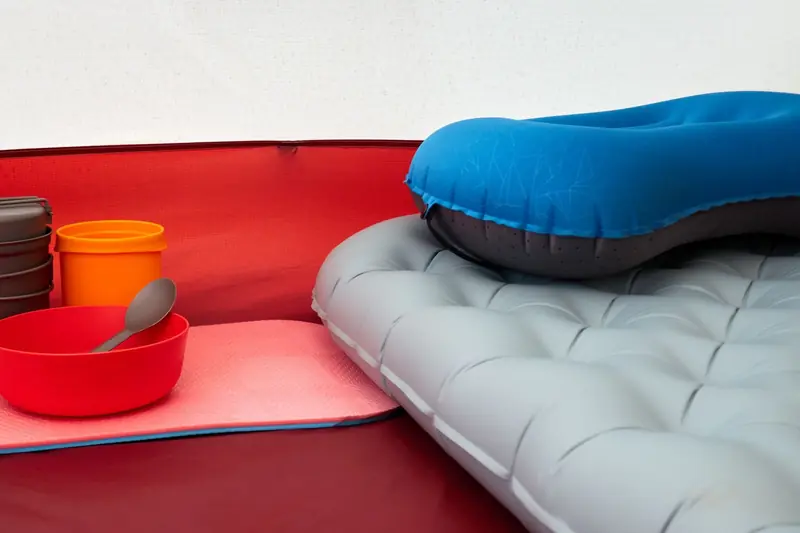
Buying guide
Best Sleeping Pads for Camping
ASTM R-value, thickness, type and size for foam, self-inflating and air pads.
-
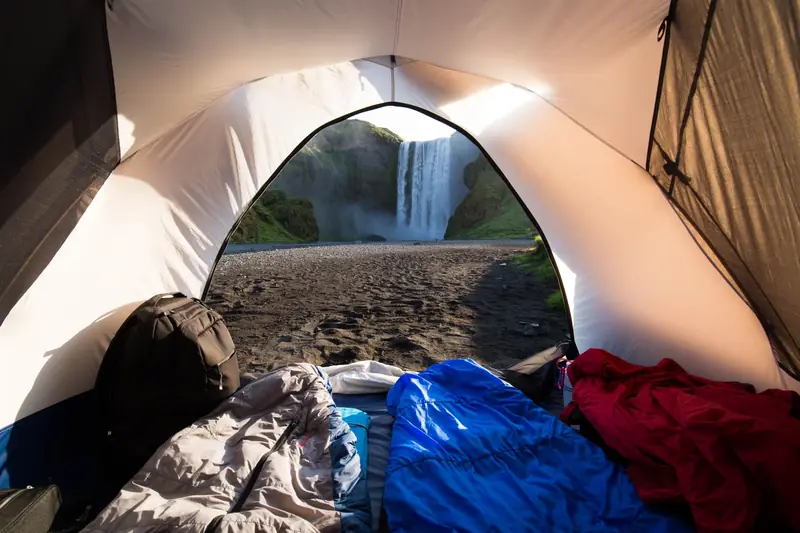
Buying guide
Best Sleeping Bags for Camping
ISO Comfort and Limit ratings, fill, shape and zippers for camping sleeping bags.
-
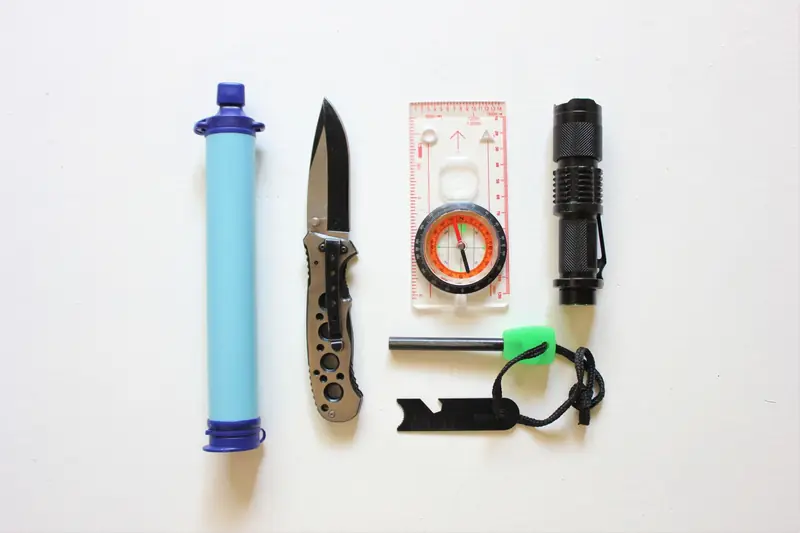
Guide
The Camping Checklist (Built on the NPS Ten Essentials)
The NPS Ten Essentials plus car-camping gear, sorted into a printable list.
-
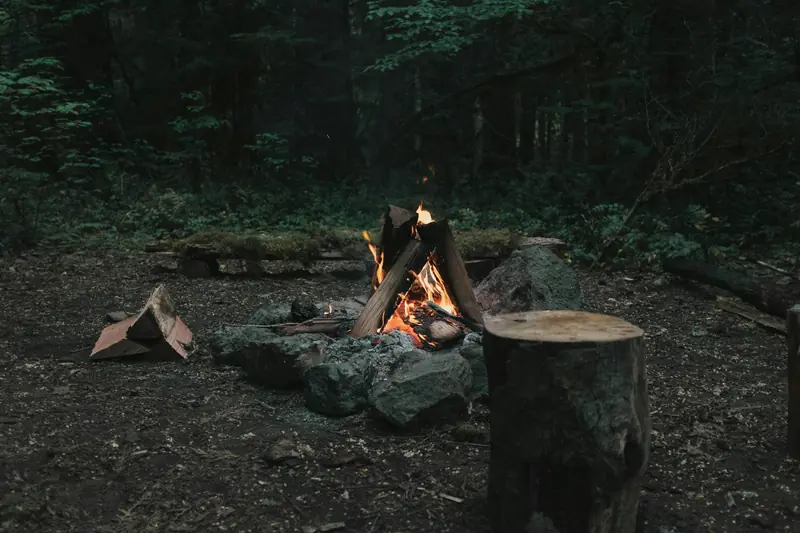
Guide
Campfire Safety: Build, Tend and Fully Put Out Your Fire
Distances, pit basics and the Drown, Stir, Drown, Feel method.


Get the Weekend Camping Checklist
A printable checklist covering the NPS Ten Essentials, the ratings to check on your sleep gear, safe cooler temperatures and the fire and carbon monoxide rules. No charge, and sized to hang on the fridge.