

Instant Tent vs Dome Tent: Which Suits Your Trips?
An instant tent has its frame attached and goes up in minutes. A dome tent uses separate poles you thread or clip, which takes longer but gives you more choice in design and weather protection. This comparison covers the points that matter for car camping.
Instant tent: the better choice if…
- You camp for one or two nights and want a quick pitch.
- You pitch in a hurry after a long drive or at festivals.
- You do not mind a larger, bulkier packed shape.
Dome tent: the better choice if…
- You camp for several nights and want stronger weather protection.
- You value a smaller, lighter pack.
- You are happy to spend more time setting up.
Jump to section
At a glance
| Point | Instant tent | Dome tent |
|---|---|---|
| Setup time | Minutes, maker-stated | Longer; poles to thread |
| Wind and rain handling | Often partial fly | Full fly common, varies |
| Packed size | Long, bulky | Smaller, compact |
| Weight | Usually heavier | Usually lighter |
| Hub and pole durability | Pre-attached hubs can bend | Separate poles, replaceable |
| Price | Varies by model | Varies by model |
| Best use | One-night trips, festivals | Week-long trips, changing weather |
Setup time
Setup time is the reason to buy an instant tent. Makers state how fast theirs goes up, and those claims are best cases, so read the listing for how many people it needs. A dome tent takes longer because you thread or clip the poles, but you can practice it at home until it is quick.
Wind and rain handling
Both can be good in the right model. Check whether a full rainfly is included, whether it is separate and whether seams are sealed. Many instant tents rely on a partial fly, while dome tents often include a fly that covers the whole tent. Where a waterproof rating is stated, compare it only against other tents that list one.
Packed size
Instant tents pack long and round because the frame stays assembled. Dome tents pack smaller because the poles fold. Check the packed size column in our family tent buying guide against your trunk.
Weight
A pre-attached frame adds weight, so instant tents are usually heavier for the same floor area. For car camping this matters less than where the tent sits in the trunk. Check the packed weight column and the manufacturer's weight.
Durability of hubs vs poles
The frame of an instant tent is permanently attached, so a bent hub or pole can end the trip, and a damaged pre-attached frame is harder to swap. Dome poles are usually separate and can be replaced or repaired. Check what the warranty covers for each.
Price
Prices change, and we do not type them by hand. Compare the current listings and consider what you will use the tent for. A cheaper tent that suits one weekend a year can cost less than a sturdier one, but the sturdier one may last longer.
Best use
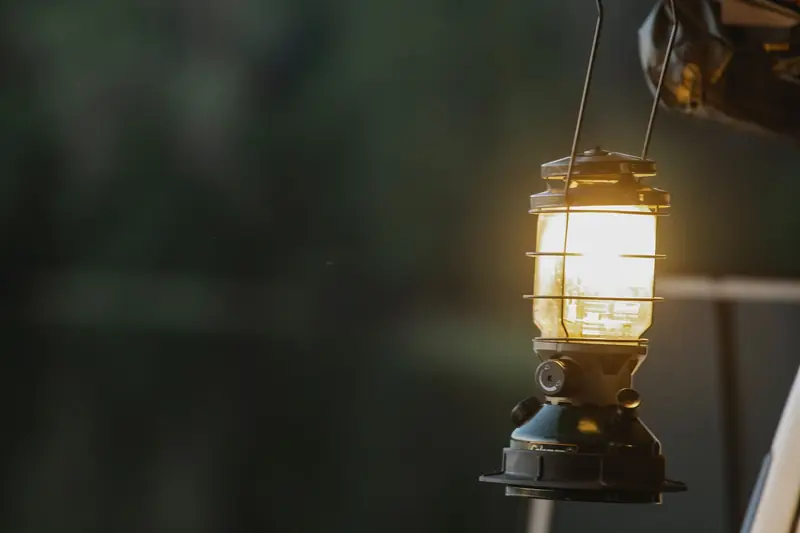
Instant tents suit one- and two-night trips, festivals and families who want speed. Dome tents suit longer stays and changing weather. Whichever you choose, keep stoves, heaters and fuel-burning lanterns out of the tent: CPSC says never to use fuel-burning portable heaters or lanterns while sleeping in enclosed areas such as tents (CPSC).
Which should you buy?
If you want to be cooking quickly and camp for a night or two, start with an instant tent. If you camp longer, in changing weather, or care about a smaller pack, start with a family tent.
Alternatives
If your trips include cold nights, see our sleeping bag ratings guide before choosing either tent, because the tent is only half the warmth.
FAQ
Are instant tents good in rain?
It depends on the model. See whether a full rainfly comes with the tent and whether a waterproof rating is stated.
Can I cook inside either type?
No. A portable gas camp stove must never be used indoors, CDC says (CDC).
How do I protect the ground where I pitch?
Pitch on durable surfaces, as Leave No Trace advises (NPS).
Related
-
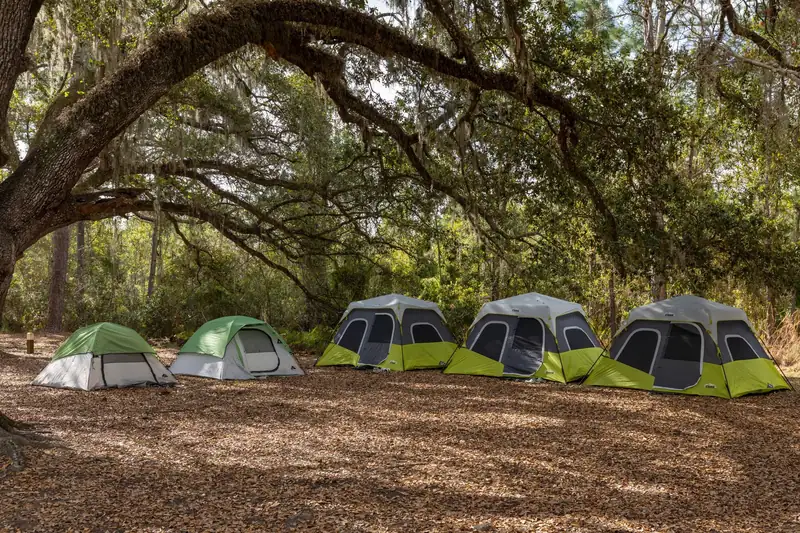
Buying guide
Best Instant and Pop-Up Tents
Setup time, frame, rainfly and packed size for instant and pop-up tents.
-
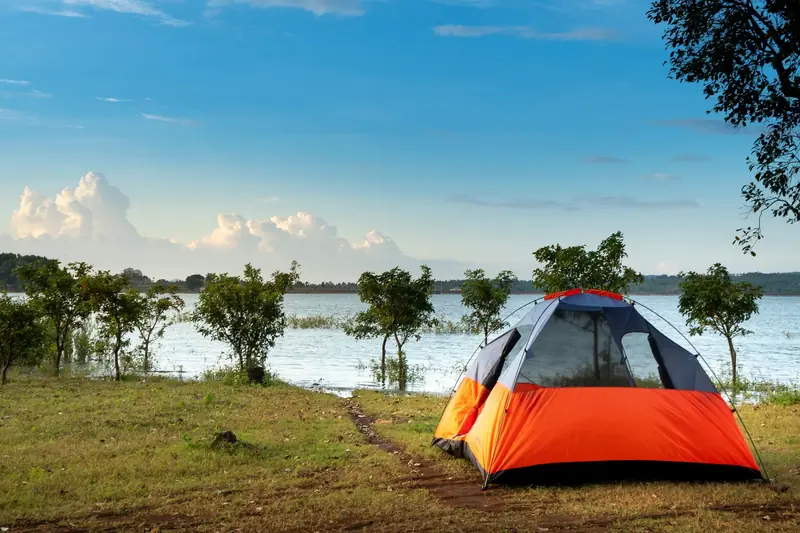
Buying guide
Best Family Camping Tents
Floor area, standing height, rain cover and setup for family and cabin tents.
-
Buying guide
Best Sleeping Bags for Camping
ISO Comfort and Limit ratings, fill, shape and zippers for camping sleeping bags.
-
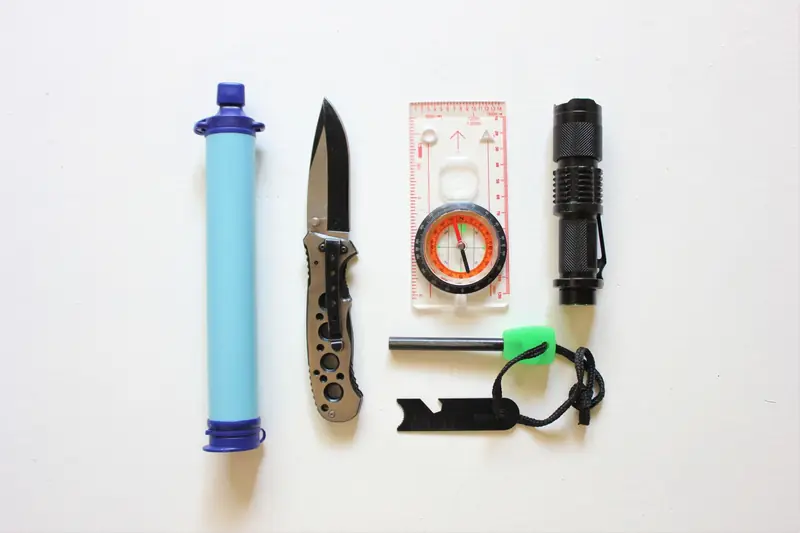
Guide
The Camping Checklist (Built on the NPS Ten Essentials)
The NPS Ten Essentials plus car-camping gear, sorted into a printable list.
-
Guide
Carbon Monoxide and Camping: Stoves, Heaters and Lanterns
Which camp gear makes carbon monoxide, the symptoms and where each can safely go.
Get the Weekend Camping Checklist
A printable checklist covering the NPS Ten Essentials, the ratings to check on your sleep gear, safe cooler temperatures and the fire and carbon monoxide rules. No charge, and sized to hang on the fridge.