
Campfire Safety: Build, Tend and Fully Put Out Your Fire
Distances, pit basics and the Drown, Stir, Drown, Feel method.
Quick answer
Check fire restrictions first, then build at least 15 feet from tents, vegetation and low-hanging branches. Put the fire out with Drown, Stir, Drown, Feel: pour water until the hissing stops, stir in the embers, pour again, and feel the ashes with the back of your hand. Smokey Bear says "If it's too hot to touch, it's too hot to leave" (Smokey Bear).
Jump to section
Check fire restrictions first
Abandoned or improperly extinguished campfires are a major cause of wildfires (Smokey Bear). That is the reason every fire guide starts with the same step: find out whether you are allowed to have a fire at all.
Restrictions are set by the campground, park or land manager, and they can change with the weather. A fire ring that was fine on your last trip may be off limits on this one. Check the posted notice at the campground and ask a ranger or host if you are not sure.
Also check your gear list. NPS lists fire among the Ten Essentials, and its advice is to carry waterproof matches or a lighter plus fire starters, and to check the park's fire regulations (NPS). Our camping checklist puts that on the packing list with the other essentials.
If a fire is not allowed, a camp stove or a battery lantern may still be. Cook and light the camp with those instead, outdoors and away from the tent.
Where to build: distances and clearance
Smokey Bear says to build at least 15 feet from tents, vegetation and low-hanging branches. Keep vertical clearance of at least 3 times the flame height, and clear a 10-foot-diameter area around the fire (Smokey Bear).
Those three numbers do different jobs:
| Rule | What it protects |
|---|---|
| At least 15 feet from tents, vegetation and low-hanging branches | Your shelter and anything that can catch from sparks |
| Vertical clearance of at least 3 times the flame height | Overhead branches and tent fly |
| A cleared area 10 feet in diameter | The ground around the pit, so stray embers have nothing to ignite |
If you use an established fire ring, you still need to check those clearances. A ring that was built in the wrong place is still in the wrong place.
Camp chairs and tables belong outside the cleared area, with room to move. Our camping chair buying guide is a good place to start when you are choosing a chair for the fire.
Building the pit
If you are allowed to dig a pit, Smokey Bear says to make it about 1 foot deep and to ring it with metal or rocks (Smokey Bear). Keep the pit away from roots and dry grass.
Use kindling under 1 inch thick (Smokey Bear). Small wood catches faster and burns down to ash more completely, which makes the fire easier to put out at the end of the night.
Here is the build order in short steps:
- Confirm that fires are allowed and pick a spot that meets the distances above.
- Clear the area down to bare ground.
- If digging, dig a pit about 1 foot deep, and ring it with metal or rocks.
- Stack kindling that is under 1 inch thick, then add larger wood.
- Keep water and a shovel by the pit before you light it.
- Never leave the fire unattended.
Many campgrounds provide a fire ring or a grate. Use it where it exists, and do not dig a new pit next to one. If there is no ring and digging is allowed, choose bare, level ground rather than a slope, so the fire cannot spread downhill or roll out of the pit.
Gather only what you need. Fire wood stacked next to the pit can catch from sparks, so keep the main pile back at the edge of your cleared area and add wood a little at a time.
Drown, stir, drown, feel
A fire that is out looks out. A fire that is still hot can wake up again. Smokey Bear's method is called Drown, Stir, Drown, Feel (Smokey Bear):
- Drown: pour water until the hissing stops.
- Stir: mix the embers, dirt and sand with the water.
- Drown again: pour more water on.
- Feel: hover the back of your hand over the ashes.
The back-of-the-hand test is the most useful part. It tells you whether the fire is cold, and it works in the dark. Do not use your fingers on the ashes, and do not skip the last pour.
Plan the end of the fire before you light it. Stop adding wood well before bedtime, so the fire burns down and the last pour has less to cool.
Put the fire out before you go to bed, before you leave the campsite and before you go on a long hike. A headlamp helps you do the last check safely in the dark. Our headlamp buying guide compares the options.
When to call 911
Call 911 if the fire jumps to vegetation or embers fly outside the pit (Smokey Bear).
Do not wait to see whether it burns out. A fire in dry vegetation can grow faster than you can fight it with a bucket. Get everyone away from the area and call for help.
Before the trip, find out how you will make that call. Phone signal can be limited at some campgrounds, so note where the nearest signal is and where the campground host can be found. Write those details on your checklist.
Leave No Trace and campfires
The Leave No Trace seven principles, from the National Park Service, are (NPS):
- Plan Ahead and Prepare
- Travel and Camp on Durable Surfaces
- Dispose of Waste Properly
- Leave What You Find
- Minimize Campfire Impacts
- Respect Wildlife
- Be Considerate of Other Visitors
Principle 5 is the one that applies to this guide. Using an existing fire ring, keeping fires small, and burning wood down to ash all follow from it. Principle 2 matters too: NPS advises camping at least 200 feet from lakes and streams (NPS).
NPS also says to dig catholes 6 to 8 inches deep, at least 200 feet from water, camp and trails (NPS). That is a separate matter from campfires, but it is part of leaving a site as you found it.
For a lighter evening, pair the fire with a camping lantern, and keep it out of the tent: our carbon monoxide guide explains why fuel-burning gear belongs outside.
Gear that helps
-
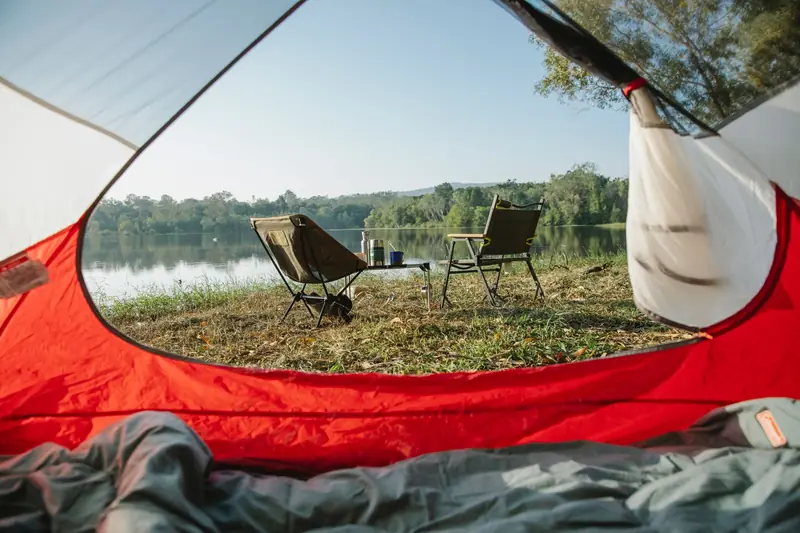
Best Camping Chairs
Pick chairs for comfort around the fire, and set them outside the cleared area.
-
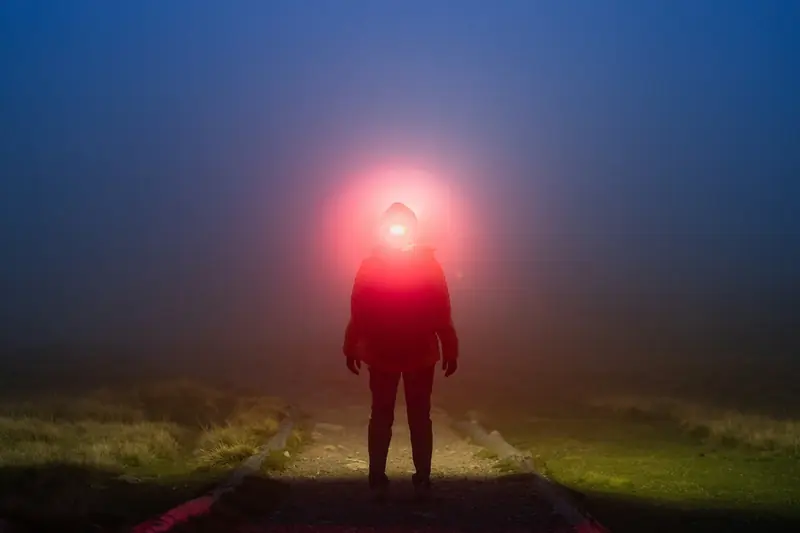
Best Headlamps for Camping
A headlamp keeps your hands free for the last check of the ashes.
-
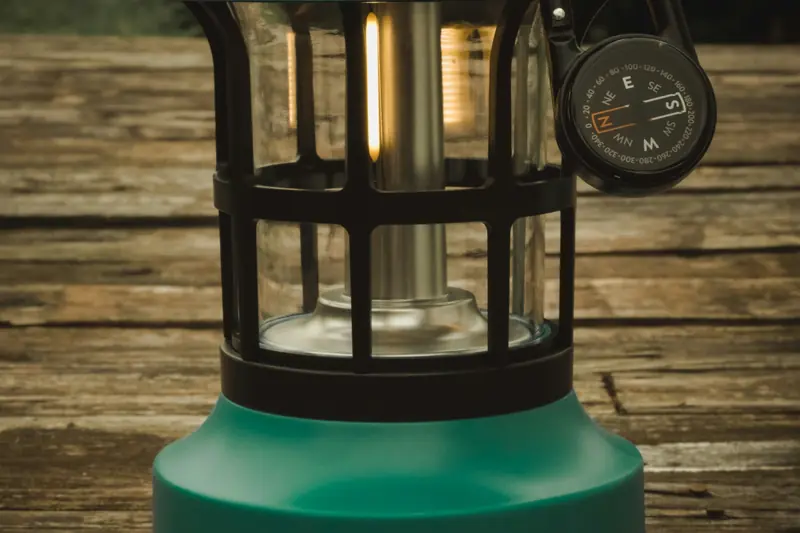
Best Camping Lanterns
Battery lanterns light the camp without adding another fire.

FAQ
How far should a campfire be from a tent?
Smokey Bear's number is at least 15 feet away from tents, vegetation and low-hanging branches (Smokey Bear).
Is dirt enough to put out a campfire?
No. Dirt or sand alone won't do it. Smokey Bear's method is Drown, Stir, Drown, Feel (Smokey Bear).
How far should I camp from a lake or stream?
Leave No Trace puts the distance at 200 feet or more from lakes and streams (NPS).
Related
-
Buying guide
Best Camping Chairs
Weight rating, seat height, back support and packed size for camping chairs.
-
Buying guide
Best Headlamps for Camping
Brightness, red light, runtime and water resistance for camping headlamps.
-
Buying guide
Best Camping Lanterns
Brightness, runtime, power source and water resistance for camping lanterns.
-
Guide
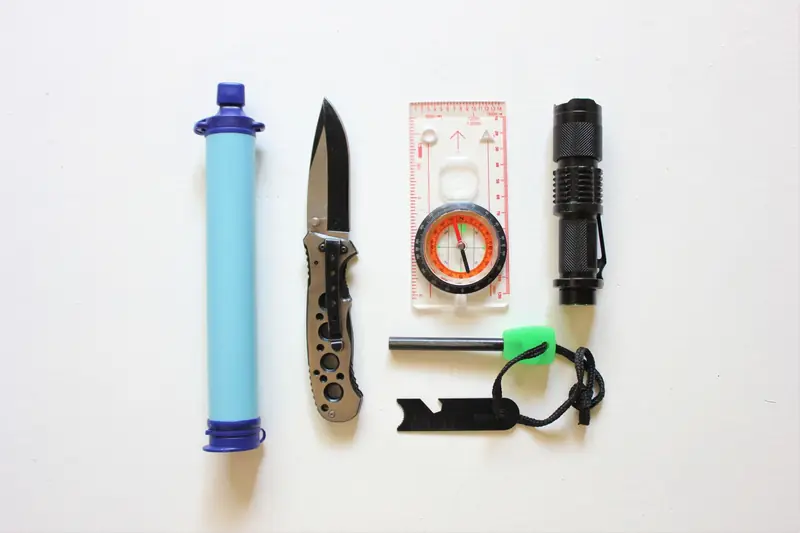
The Camping Checklist (Built on the NPS Ten Essentials)
The NPS Ten Essentials plus car-camping gear, sorted into a printable list.
-
Guide
Carbon Monoxide and Camping: Stoves, Heaters and Lanterns
Which camp gear makes carbon monoxide, the symptoms and where each can safely go.
-
Buying guide
Best Family Camping Tents
Floor area, standing height, rain cover and setup for family and cabin tents.

Get the Weekend Camping Checklist
A printable checklist covering the NPS Ten Essentials, the ratings to check on your sleep gear, safe cooler temperatures and the fire and carbon monoxide rules. No charge, and sized to hang on the fridge.